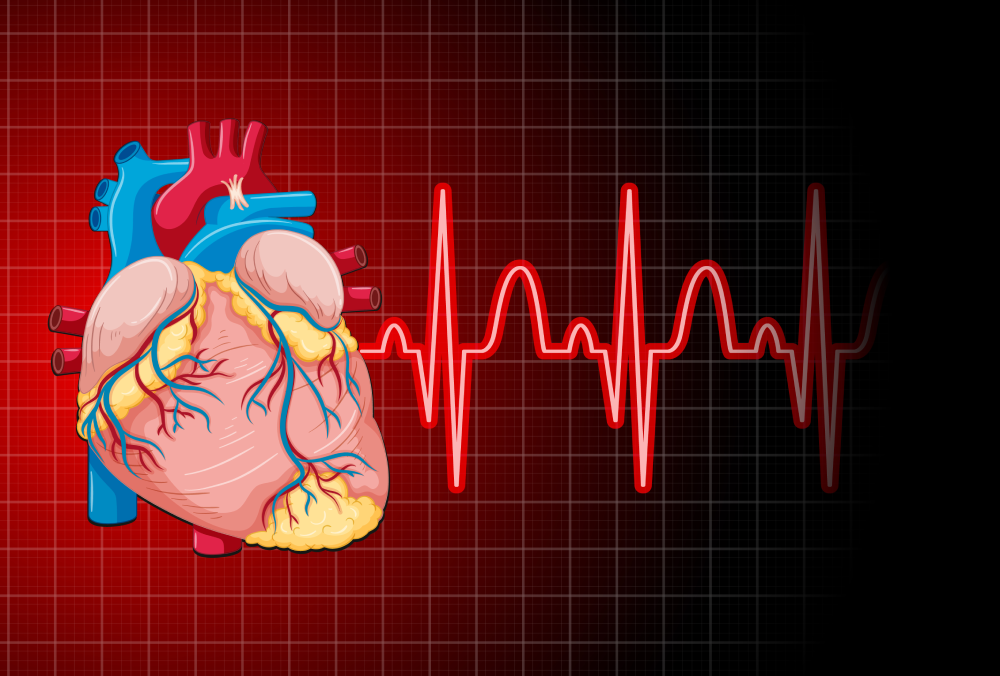

Hearing the word “arrhythmia” can be a worrying experience for many patients. Most of us know what a stroke is. But a heart rhythm condition? That’s unfamiliar territory.
If you or a loved one have been diagnosed with an arrhythmia, you’ll doubtless have lots of questions. How do we treat it? Will it go away? And could it cause a really serious problem, like a stroke?
That last question is actually one of the most common things people ask us here in the clinic. So let’s look at the topic in a bit more detail.
What is an arrhythmia?
In simple terms, an arrhythmia is any deviation from the normal, regular beating pattern of the heart. Under normal conditions, your heart beats to a steady, coordinated rhythm of about 60-100 beats per minute (bpm). This regular rhythm is controlled by electrical signals from your brain. When those signals develop a fault, we call this an arrhythmia. The rhythm could be:
- Too fast (tachycardia, typically over 100 bpm)
- Too slow (bradycardia, typically under 60bpm)
- Irregular (an unusual or abnormal pattern)
Are all arrhythmias dangerous?
No. Irregular heart rhythms are part of everyday life. Our hearts beat approximately 100,000 times a day. A small percentage of those beats will be irregular, for instance, when you get an extra (ectopic) beat. Heart doctors generally consider 5% or fewer ectopic beats in a day to be on the low side.
Or take a regular Supraventricular tachycardia (SVT). This is a common rhythm condition that causes a fast heartbeat; while it certainly needs to be investigated, it’s rarely life-threatening.
So when it comes to unusual heart patterns, the important question is what kind of arrhythmia is happening, because – while most irregular heartbeats are harmless – some rhythm patterns can indeed cause more serious issues.
When is an arrhythmia more serious?
Irregular heart rhythms are more problematic when they place a strain on the heart. The most common arrhythmia in Ireland is atrial fibrillation (AFib), a condition that originates in the upper chambers of the heart (the atria).
In AFib, the electrical signals become chaotic. This causes the atria to “fibrillate” (quiver) and contract abnormally. Because the heart isn’t contracting in an organised way under these conditions, it can’t pump blood so efficiently around the body.
This can cause blood to pool and form clots inside the atria. If a clot is ejected from the heart into the bloodstream and then travels up to the brain, it can block an artery and deprive the brain of oxygen: an ischaemic stroke.
Which arrhythmias are a stroke risk?
Atrial fibrillation may cause unpleasant symptoms on an intermittent or frequent basis. But having the condition does significantly raise your risk of stroke. One recent study found that people with AFib had a five-times greater risk of stroke than people without it. This is why, if you think you or a loved one might be suffering from atrial fibrillation, it’s vital to have it checked out by a doctor or cardiologist
Other types of arrhythmia that may also raise the risk of stroke include:
- Atrial flutter – a rapid but more organised beating in the upper chambers of the heart
- Ventricular tachycardia – a fast rhythm that originates in the heart’s lower chambers
- Premature beats– extra heartbeats that occur earlier than normal
If you have an arrhythmia that raises your stroke risk, what can you do about it?
The encouraging news about arrhythmias is that we now have a raft of excellent medicines and technologies available to treat and support patients who suffer from them – advances that simply weren’t there in the past. There are some simple steps you can take to protect yourself, too.
Things you can do yourself
Be ‘cardio aware’ – many people aren’t aware of the warning signs to look out for when it comes to their hearts (see 5 Heart Symptoms You Shouldn’t Ignore)
Check your pulse – some irregular rhythms are detectable through a simple pulse check, nand knowing how to do it correctly is crucial to getting the right information. Learn how to properly check your own pulse here.
Consider a smartwatch– the ECG technologies in modern smartwatches can be very effective at picking up early signs of heart problems, especially ones that don’t cause other noticeable symptoms (though be aware they can also flag ‘problems’ that aren’t necessarily there).
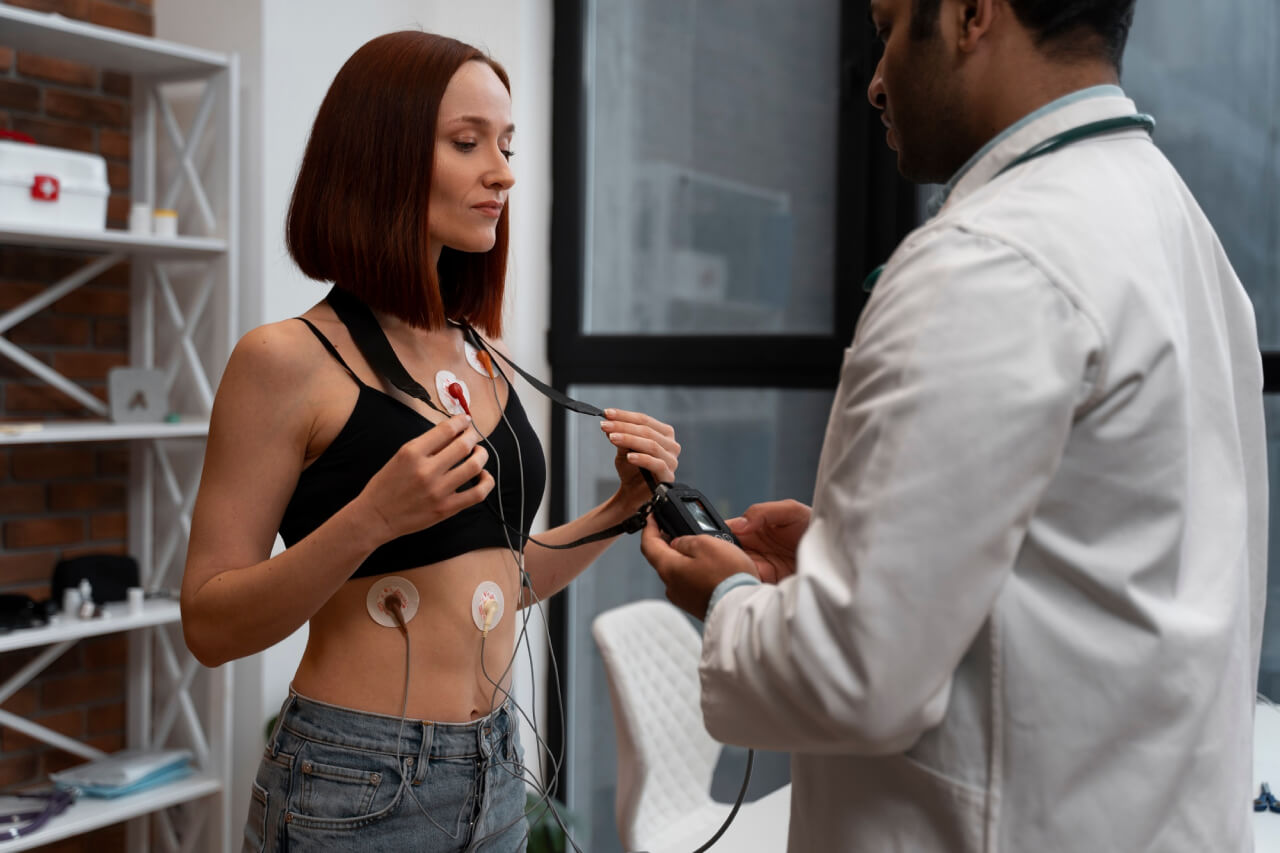
Get regular check-ups – if you know you have a high stroke risk, it’s worth getting a regular heart test. You can get a heart check-up with us at Heart Rhythm Cardiologist. The HSE’s Annual Chronic Disease Management Prevention programme will also take your heart health into account when you go for a check-up with them
Things a cardiologist can help you with
Diagnosis – Some arrhythmias don’t cause noticeable symptoms; up to half of the people who have AFib, for example, may not be aware of it. That’s why getting a proper in-clinic test, with an expert who can review your medical history, is so important. You can find out more about the main diagnostic tools for arrhythmia here
Medication – If you’re diagnosed with an arrhythmia like AFib, we may recommend an anti-arrhythmic or anticoagulation medicine (blood thinners) to help you manage it. Research has found 60% of AFib-related strokes can be prevented with proper anti-coagulation. The aim is to reduce your symptoms, restore natural rhythm and prevent further complications
Procedures – Many heart rhythm problems can be stopped or managed with operations like electrical cardioversion or cardiac ablation.
Concerned about arrhythmia? Get in touch
If you’re worried about an irregular heartbeat or want to discuss your potential stroke risk, we can help. Dr Lyne and his team provide advanced rhythm testing and heart care at Dublin’s leading medical centres, including the Beacon Hospital, Blackrock Clinic, Hermitage Medical Clinic, and St Vincent’s Private Hospital.
To schedule a consultation, call us directly at 01 690 8350 or email us. Whatever your situation, we’re here to support you.