Unless you follow doctor tweets and cardiology blogs, you may not be aware that 1 March is Pulse Day.
And if that makes you think, “Do we really need another awareness day?”, we understand your scepticism!
Yet there’s good reason to argue this one is a little bit different. In fact, it could even prove to be a life-saver for some (including some people who are younger, fit and may not think they are likely to suffer from a heart problem – see Rebecca’s case study below).
Here’s why we would encourage you to read up on Pulse Day and take up its “Feel the Pulse” challenge on 1 March.
What is Pulse Day?
Pulse Day is an international campaign led by the European Heart Rhythm Association (EHRA), a globally renowned network that provides expertise, certification and training for heart rhythm treatment. The awareness day was created to fight back against arrhythmia by encouraging people to check their own pulses. It’s held on 1st March (1/3) to highlight an alarming “1-in-3” statistic about people who suffer from potentially dangerous heart rhythm disorders.
What is the 1-in-3 statistic?
The EHRA has crunched the numbers for the most common heart rhythm disorder, atrial fibrillation (AFib). In 2010, they report, there were 33.5 million global cases of AFib. By 2019, that figure had risen to 59 million. By 2050, they expect it to have surged again by 60%. Factoring in other arrhythmias, they say 1 in 3 people worldwide will develop a potentially life-threatening heart rhythm disorder in their lifetime.
“There are also widespread misconceptions about who can be affected,” says EHRA President Professor Helmut Pürerfellner. “A common myth exists that heart rhythm disorders only impact older adults, but this is far from the truth. People of all ages and fitness levels can develop these conditions, often without warning.”
Why are arrhythmias a stroke risk?
Heart rhythm problems come in many shapes and sizes, and not all of them are dangerous. Some arrhythmias can be benign (not so serious but may still require treatment). Others may cause mild or irritating symptoms. But some can be genuinely life-threatening. If an arrhythmia prevents the heart from pumping efficiently, for example, blood can pool within the heart chambers and form clots. A clot that travels up to the brain may block an artery and cause a stroke.
The statistics highlight the danger; one recent study into stroke survivors found 1 in 5 had an irregular heart rhythm.
How can checking your pulse help?
As Professor Chun points out, arrhythmias can be “silent”. They don’t always cause symptoms, so you won’t necessarily know you have one. Atrial fibrillation is a prime example. Many AFib sufferers – perhaps up to half – won’t experience symptoms.
While most cases are very treatable, it’s important to catch AFib issues earlier rather than later, because the risks rise if it’s not diagnosed. “People with untreated atrial fibrillation are five times more likely to have a stroke,” says the Irish Heart Foundation (IHF). A pulse check can’t diagnose an arrhythmia. But it could provide the “first-alert” that identifies a problem in your heart.
What is the correct way to check your pulse?
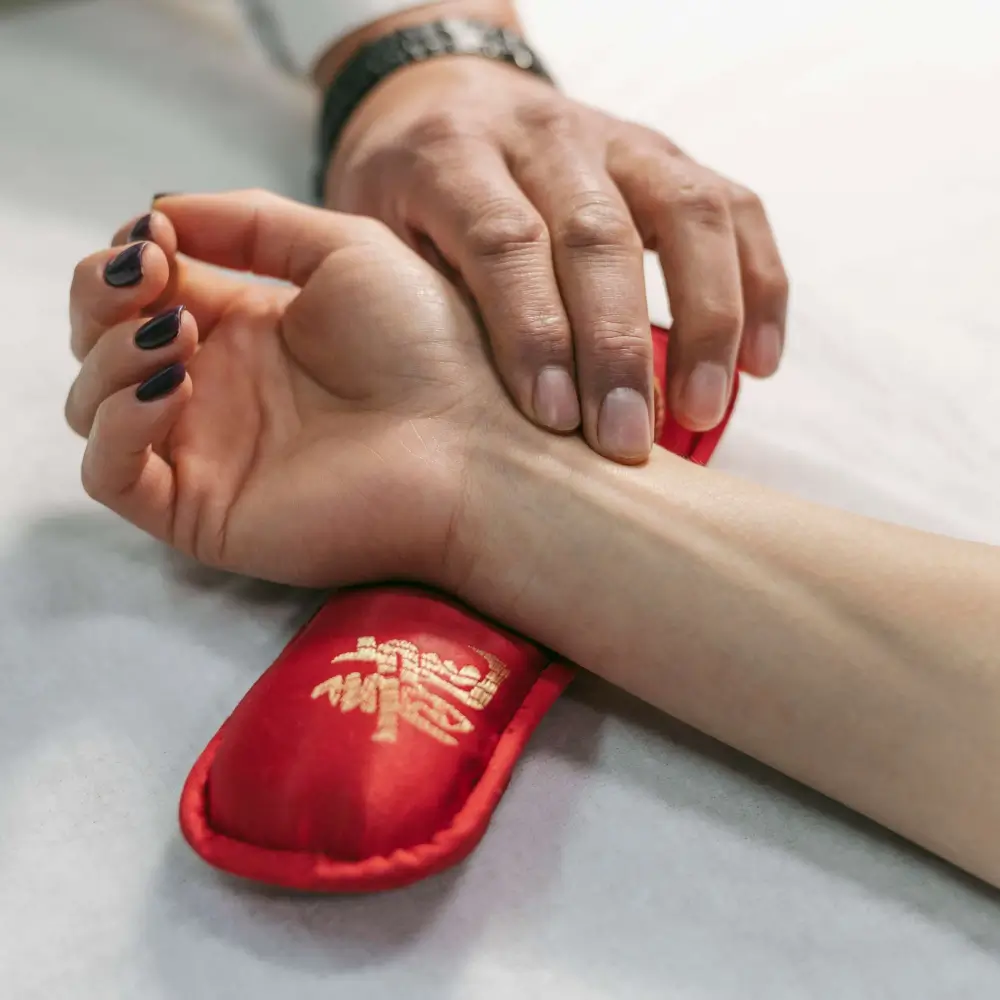
Checking your pulse is quick and straightforward, and only takes a minute or two when done correctly. You are checking both the rate of your heartbeat and whether the rhythm feels regular or irregular.
When checking your pulse, remember to:
- Sit quietly for a few minutes beforehand
- Use your index and middle fingers, not your thumb
- Find the pulse at the wrist, just below the base of the thumb
- Count the beats for 30 seconds and note if they feel steady or uneven
For a clear, step-by-step guide with visuals, including exactly where to place your fingers and how to count accurately, see our full guide here:
What are you looking for in a pulse check?
You’re primarily looking for two things when feeling for your pulse:
- Is your heart rate normal?
A typical resting heart rate for an adult is between 60 and 100 beats per minute. (If you’re very fit, the rate could potentially be lower than 60bpm, which is usually normal.) A bpm that’s higher or lower than this could be a red flag. - Is your heart rhythm regular?
This is the other thing to think about as you’re doing the test. A heart beating normally will feel steady and ordered. If the pulse feels random, chaotic or as if it’s jumping around, it could be an irregular rhythm.
How often should you check your pulse?
There are no hard-and-fast rules. But because irregular rhythms aren’t always persistent – i.e., they may come and go – it’s worth repeating the test on Pulse Day and beyond.
The IHF suggests a “2x2x2” motto for pulse checks: “using two fingers on your wrist, check your pulse twice a day for two weeks and take note of the results.” This will give you a better idea of the ongoing pattern of your heart, with a greater chance of detecting any problems. It’s also a good way of getting you into the habit of checking your pulse on a more regular basis.
What if you feel a problem with your pulse?
If you think your pulse feels irregular, or if the rate is very high or very low while resting, try doing the test again. This time, though, count for a full 60 seconds and don’t multiply the result. This will give you a better idea if the rhythm is irregular. Have you felt something that’s not quite right? Don’t panic – remember that rhythm irregularities can happen for many different reasons, for instance, if you’re feeling stressed or if you’ve been ill recently.
But if there’s a persistent pattern of beats that are irregular, or a pulse that’s very fast (120bpm or more) or slower than you’d expect, you should get it checked out by your GP or a medical professional.
“I thought I was too young for a heart problem”: A Heart Patient Story
Rebecca Redmond, from Clonskeagh in Dublin, had been noticing some unusual symptoms, but, being under 50 and otherwise well, she kept pushing them to the back of her mind:
“I had very severe bouts of leg swelling, fatigue, and shortness of breath,” she explained, speaking at the launch of the Irish Heart Foundation’s Prevent a Stroke: Feel the Pulse campaign. “I tried to explain it away as maybe being a little unfit, but deep down I knew something was wrong.”
When her symptoms worsened, Rebecca went to A&E. Ultimately, the doctors did some heart tests and found she had an arrhythmia.
“Looking back now, I had all the classic symptoms of atrial fibrillation,” she added. “It came as such a shock to me and my family – surely, I was too young for something like this?”
Post-diagnosis, Rebecca is now much more aware of AFib and how it affects her body. “I am on the journey now, and I really do everything I can to look after myself. I keep track of my pulse, I eat healthily, I work out, and I try not to get stressed as that can really affect me.
“What people don’t understand is how atrial fibrillation detrimentally affects your energy levels – I don’t have that ‘energy reserve’ anymore… This campaign is so important; it’s really simple to check your pulse every day, and it’s something we all should incorporate into our daily routine.”
Read more about the IHF’s pulse check campaign here
Interested in finding out more about arrhythmias, what they feel like and how we diagnose them? You might find these Heart Rhythm Cardiology resources helpful:
How serious is an irregular heartbeat?
The classic signs of atrial fibrillation?
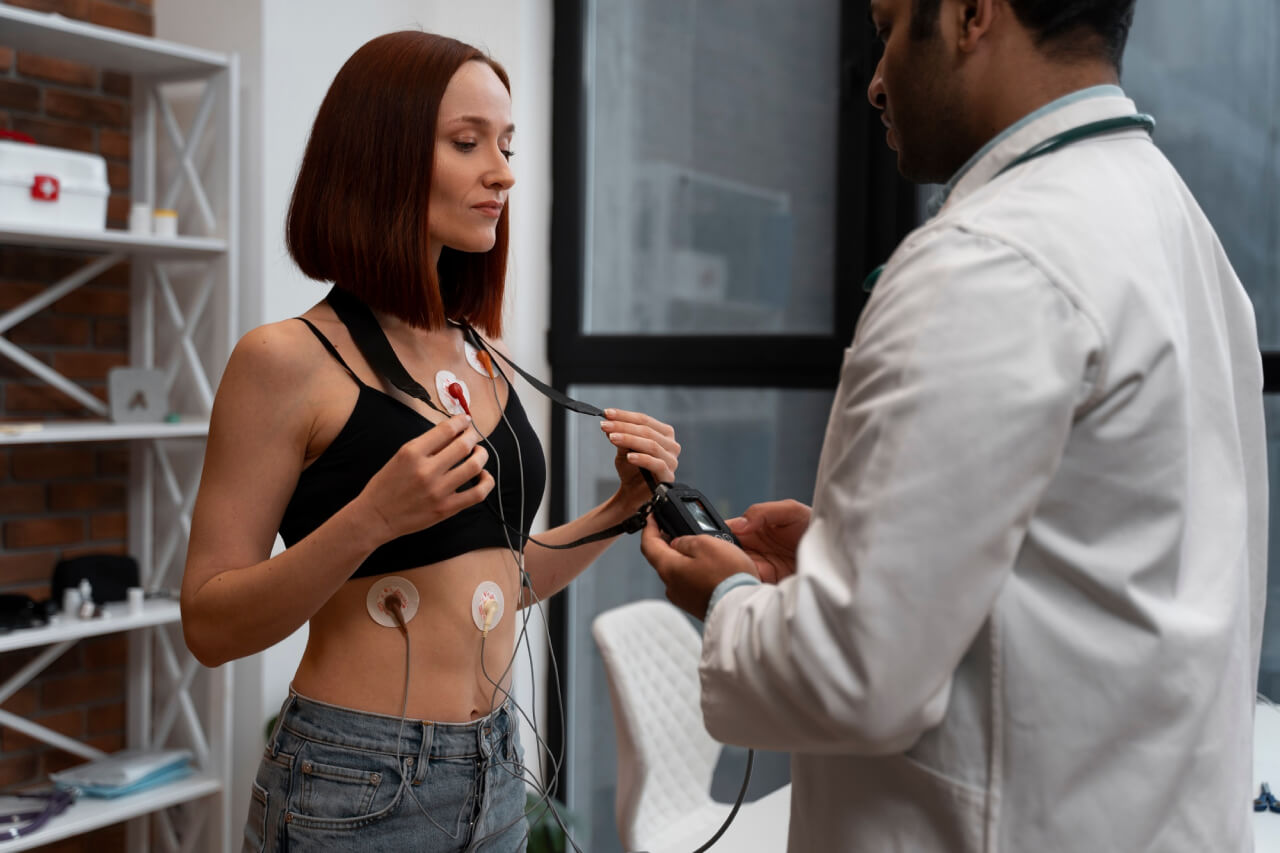
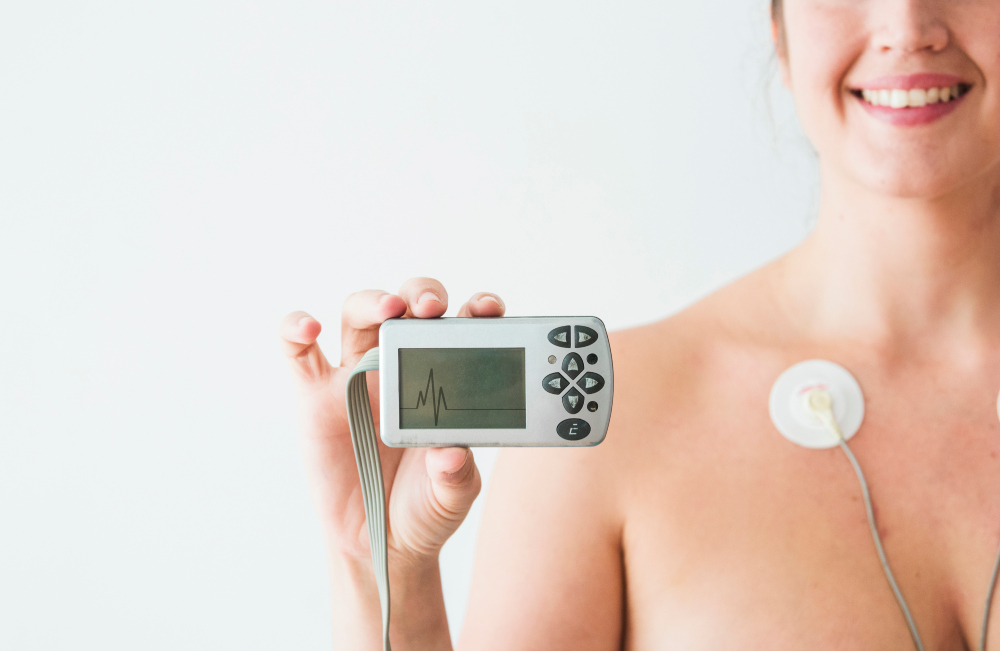
How do you test for a heart rhythm problem?
Hurler Paul Boyle’s experiene with Wolff-Parkinson-White Syndrome
Let Heart Rhythm Cardiologist Help
If you are concerned about your heart rhythm for any reason – or if your Pulse Day check didn’t feel quite right – you can also get in touch with us here at Heart Rhythm Cardiologist.
It’s quick and easy to make an appointment with Dr Lyne at one of our Dublin clinics. He’ll be able to discuss your history and symptoms, and make sure you have the tests you need to make a diagnosis and outline the next steps.