You’ve had the heart tests. You’ve been diagnosed with an arrhythmia (a heart rhythm problem) Now your cardiologist says you need an “implantable device” in your heart – specifically, something called a CRT-ICD (Cardiac Resynchronization Therapy with an Implantable Cardioverter Defibrillator). What on earth does it all mean?
Hearing that you need a machine to help your heart work properly can feel overwhelming, particularly if you’ve never heard of the device in question. You likely have a lot of questions about whether you really need this thing and how it would work.
In this blog, we’ll walk you through exactly what a CRT-ICD is, how it protects your heart and how it can help you get back to the activities you love.
CRT-ICD vs traditional pacemaker: what’s the difference?
If you’re like most people, the phrase “heart device” probably makes you think of a pacemaker. A CRT-ICD is a type of pacemaker. But it plays a very different role from a standard pacemaker or an ICD.
While a traditional pacemaker simply increases your heart rate if it drops too low, a CRT-ICD is a more advanced device that’s designed to actively treat heart failure and protect you against dangerous heart rhythms. CRT-ICDs are also sometimes called CRT-Ds – the same thing, slightly less of a mouthful!
First things first: what is an internal defibrillator (ICD)?
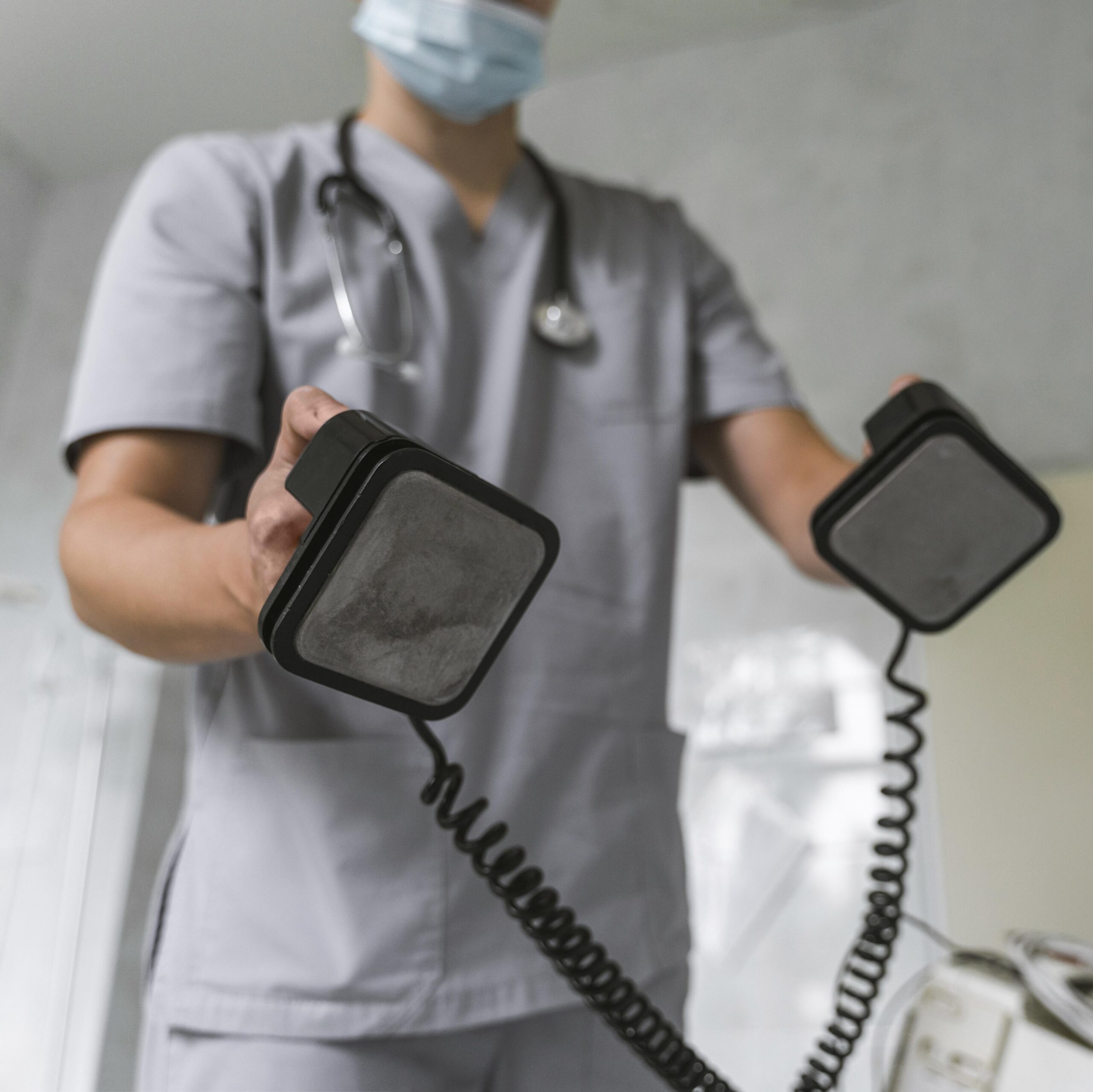
An internal defibrillator is like a miniature version of the machines you see on walls in towns and shopping centres. It’s designed to deliver a pulse of electricity that corrects a dangerous heart rhythm if you get one.
Internal defibrillators are sophisticated little devices that can deliver different treatments in different scenarios. For example, it could give you:
- Extra heart beats (“bradycardia pacing”) – if your heart rhythm is too slow
- A surge of beats (“anti-tachycardia pacing”) – if your heart is beating too fast
- A stronger shock – if the anti-tachycardia pacing doesn’t correct the issue, or if you’ve developed a life-threatening condition called ventricular fibrillation
What is a CRT-ICD?
As you’ve probably guessed, a CRT-ICD combines two types of treatment in a single device: defibrillation plus CRT. But what exactly is the CRT bit?
Cardiac Resynchronisation Therapy is a treatment that’s specifically designed to address certain types of heart failure (where the heart doesn’t pump as efficiently as it should). A CRT device, also known as a heart failure pacemaker, generates tiny electrical pulses that help the lower heart chambers (ventricles) to beat in time with each other and pump blood properly again.
So a CRT-ICD has a dual role. It treats heart failure and corrects dangerous heart rhythms.
What kinds of medical conditions does a CRT-ICD treat?
CRT-ICDs can be helpful in several areas, but the most common reasons to have one include:
- Dyssynchrony – when the ventricles aren’t pumping together because of a problem with your heart’s electrical pathways (such as “left bundle branch block”)
- Ventricular tachycardia (VT) – where you have an unusually fast heartbeat that begins in the ventricles
- Ventricular fibrillation (VF) – when you have a serious rhythm problem that’s caused by disorganised electrical activity in the ventricles.
How does a CRT-ICD work to sync your heart?
In a healthy heart, the ventricles work in a coordinated way to pump blood efficiently around your body. It’s a bit like a team of rowers all striking their oars at the same time to drive the boat forward. In heart failure, the ventricles stop pumping at the same time; the “oars” fall out of sync, and the boat begins to stutter. This is what causes unpleasant symptoms like severe fatigue and shortness of breath.
How the CRT part of the device works
The CRT component of your device monitors your heart for any sign that the ventricles are falling out of rhythm. If it detects a rhythm problem, it can generate an electrical signal that stimulates the chambers to resynchronise and return to a normal rhythm.
The aim is to relieve your symptoms and protect your heart from further damage. CRT devices have an extra lead (thin wire) to the left ventricle, which delivers the electrical signals to your heart whenever they’re needed.
How the ICD part of the device works
The ICD in your device acts as a miniature defibrillator in case your heart enters a dangerous rhythm. It can deliver tiny electrical shocks to correct the rhythm – or, if necessary, a bigger burst of energy that resets the heartbeat and helps prevent further complications (such as sudden cardiac death).
How is a CRT-ICD implanted?
CRT-ICDs are installed in your heart using a technique called “transvenous implantation.” This means the leads are inserted through one of your veins, then carefully threaded up to your heart by the cardiologist. Here’s how the process works:
1. Preparation
When you arrive at the clinic, the nursing team will assess you and go through your medical details. They’ll take you up to the operating theatre, and you’ll be given antibiotics and a sedative to help you feel calm and sleepy during the procedure.
2. Numbing the area
Before the operation starts, the team will clean the skin around your collarbone with an antiseptic fluid. They’ll inject a local anaesthetic to completely numb the area, so you don’t feel any pain.
3. Making the incision
The cardiologist makes a small cut (about 5cm wide) just below your collarbone, usually on the left side of your chest. This becomes a small “pouch” under the skin, where the CRT-ICD device will sit.
4. Placing the leads
Next, the cardiologist inserts your leads (essentially thin, flexible wires) through your vein and up into your heart. We use an X-ray scanner to help us guide the leads into place. With a CRT-ICD, there are usually three leads – one to the top chamber and two to the bottom chambers.
5. Connecting your CRT-ICD
Once the leads are in place, we connect them to the unit. The device is then slipped into the pouch we created under the skin of your chest. The cardiologist then seals the incision and dresses the wound to protect it during your recovery.
6. Finishing up
After the procedure, you’ll be taken back to the ward to rest while the team checks that your device is working well. The operation normally takes around 60 to 90 minutes from beginning to end.
Living with a CRT-ICD: driving, batteries, and electric shocks
CRT-ICDs can make a huge difference to everyday life, particularly when it comes to reducing the unpleasant or worrying symptoms you may have been struggling with for many months. But like any pacemaker device, they involve some changes and adaptations too.
Electric shocks from a CRT-ICD
What does a pacemaker “shock” feel like? Bear in mind that a CRT-ICD device delivers two different types of electrical signals. This makes a difference in terms of what you’ll feel if they happen.
- Pacing pulses – These are smaller electrical signals that gently correct a heartbeat that has become too fast or too slow. They’re so small, in fact, that you may only be slightly aware of them or might not feel them at all
- Defibrillator shocks – These are larger signals that shock your ventricles into pumping together again. You’re very likely to notice one when it happens; people usually describe it as a thud or thumping sensation in the chest. While an ICD shock can be uncomfortable, keep in mind that it’s very brief: a defibrillator pulse typically lasts less than a second. Also, it’s providing potentially lifesaving support when your heart needs it most.
Driving with a CRT-ICD
The guidelines around driving and pacemakers are quite complicated, so it’s important to discuss this in detail with your cardiologist before you have the procedure.
- After your implantation – Once your pacemaker has been fitted, you’ll need to inform the National Driver Licensing Service (NDLS). You will usually be able to drive a car 6 months later, if your cardiologist approves. Unfortunately, you won’t be permitted to hold a Group 2 licence (e.g. commercial vehicles like trucks and buses).
- If you receive an ICD shock – If your CRT-D delivers a defibrillator shock, restrictions apply again. Unless it fired off unnecessarily (an “inappropriate shock”), you would typically need to wait 6 months before you can resume driving.
For an in-depth drivers’ guide to cardiac devices, see this article on our blog: Driving in Ireland when you have a pacemaker. You can also find helpful resources on driving and pacemakers at the Irish Heart Foundation, the Road Safety Authority (RSA) and in this leaflet by the NDLS: Cardiac Conditions and Driving.
CRT-ICD battery life and device replacement
As with any electronic device, the battery on your device won’t last forever. That said, the lifetime of a modern CRT-ICD is very long – typically around six to 12 years, depending on the type of unit you’re using and how often it needs to deliver electrical impulses or shocks to your heart. We’ve all grown used to charging our smartphones every day or two; modern pacemakers are much more efficient.
What happens when a CRT-ICD battery runs low?
Unlike some electronics, modern pacemakers don’t just run out of battery without warning. They can self-check their energy levels on a regular basis, and your medical team will check those battery levels again when you come in for your regular follow-up appointments.
Some devices can even be programmed to beep when they’re nearing the time for replacement.
How do you replace the battery on a CRT-ICD device?
Pacemaker batteries are sealed into the unit, so the whole device needs to be replaced when the battery runs out. This means you’ll need to come into the hospital for a new fitting.
Fortunately, it’s a simpler procedure than the original implantation operation, because all the leads you need for the device are already in place. Pacemaker leads very rarely need to be changed.
Book a consultation with Dr Lyne
Need advice or reassurance about whether a Cardiac Resynchronisation Therapy Defibrillator (CRT-ICD) is the right option for you? We’re here to help.
Dr Lyne and the team at Heart Rhythm Cardiologist provide comprehensive care and expert device management at several leading centres in Dublin, including the Beacon Hospital, Blackrock Clinic, Hermitage Medical Clinic, and St Vincent’s Private Hospital.
Contact us directly by calling 01 690 8350 or emailing us. Whatever you’re going through, our team is here to support you and get you the advice and help you need.
Frequently asked questions about CRT-ICDs
While a traditional pacemaker mainly steps in to speed up a slow heart rate, a CRT-ICD is an advanced device that treats heart failure and protects against dangerous rhythms.