
Worried about your heart rhythm? How our Rapid Access Clinic works
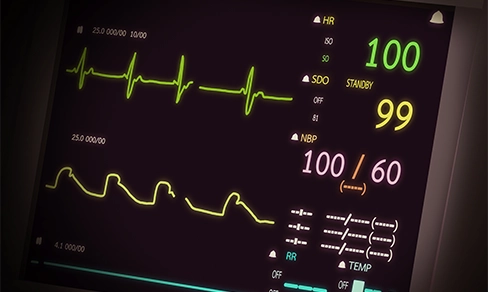
You’ve had the heart tests. You’ve been diagnosed with an arrhythmia (a heart rhythm problem.)
Internal Defibrillators: What You Need to Know About CRT-ICD Devices
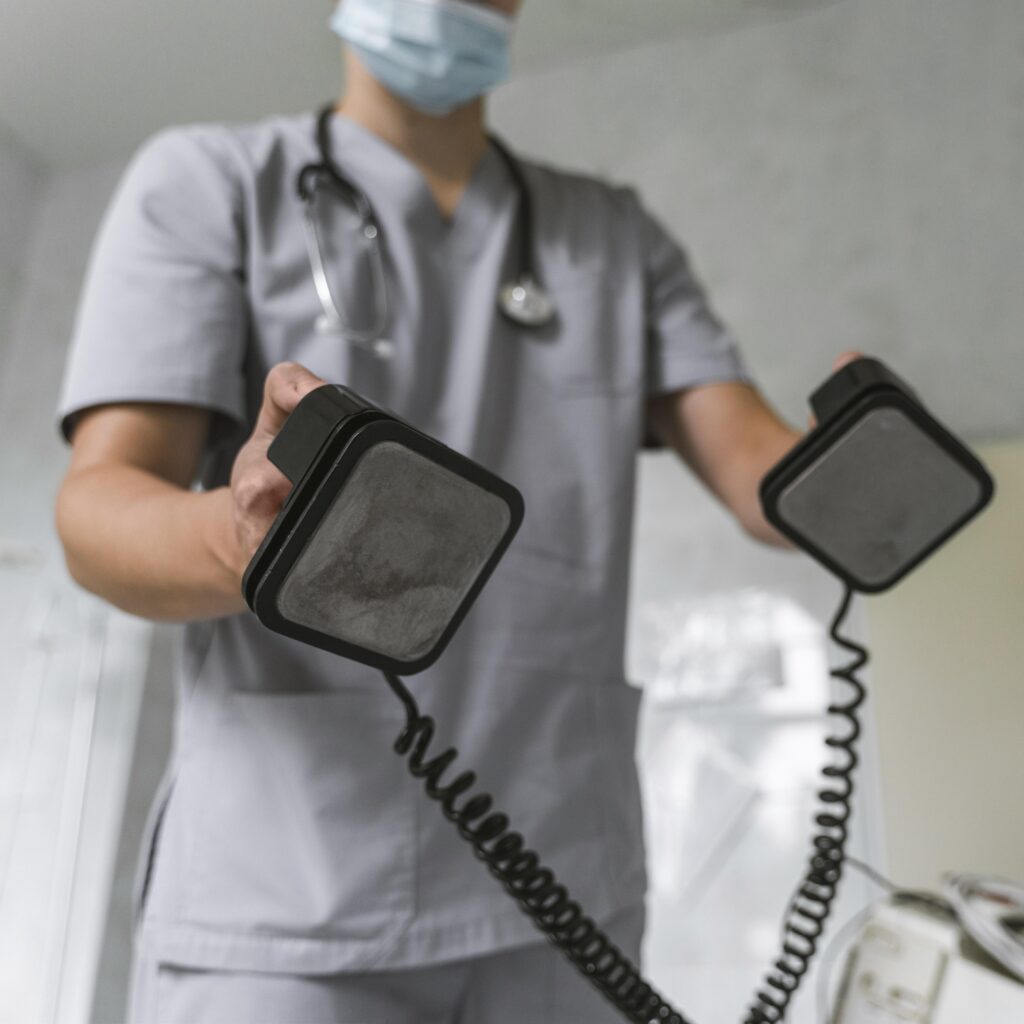
You’ve had the heart tests. You’ve been diagnosed with an arrhythmia (a heart rhythm problem.)
Leadless Pacemakers: The tiny device that’s changing the way we treat heart rhythm problems
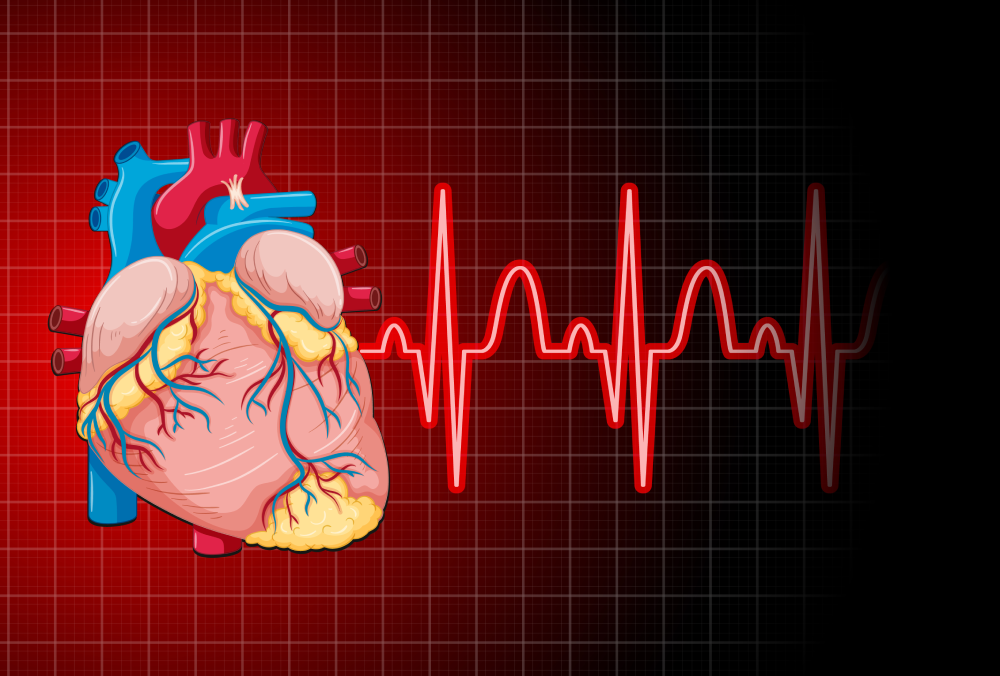
See how this in-heart pacemaker is changing lives for heart rhythm patients.
Can losing weight reverse atrial fibrillation?

If you, or someone you know, has recently been diagnosed with atrial fibrillation, you’ve probably begun to explore what this means for you and what comes next.
What to Expect During a Holter Monitor Test
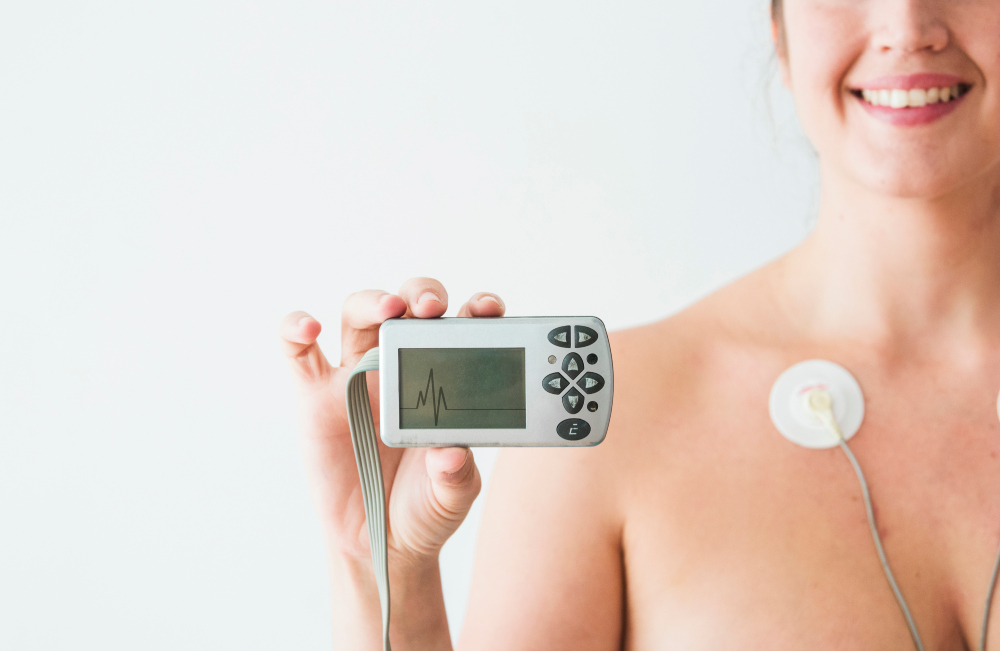
If your cardiologist has recommended a Holter monitor test, you might be wondering what’s involved and what to expect.
Athletes and ECGs: Understanding the Role of Heart Monitoring for Peak Performance and Health
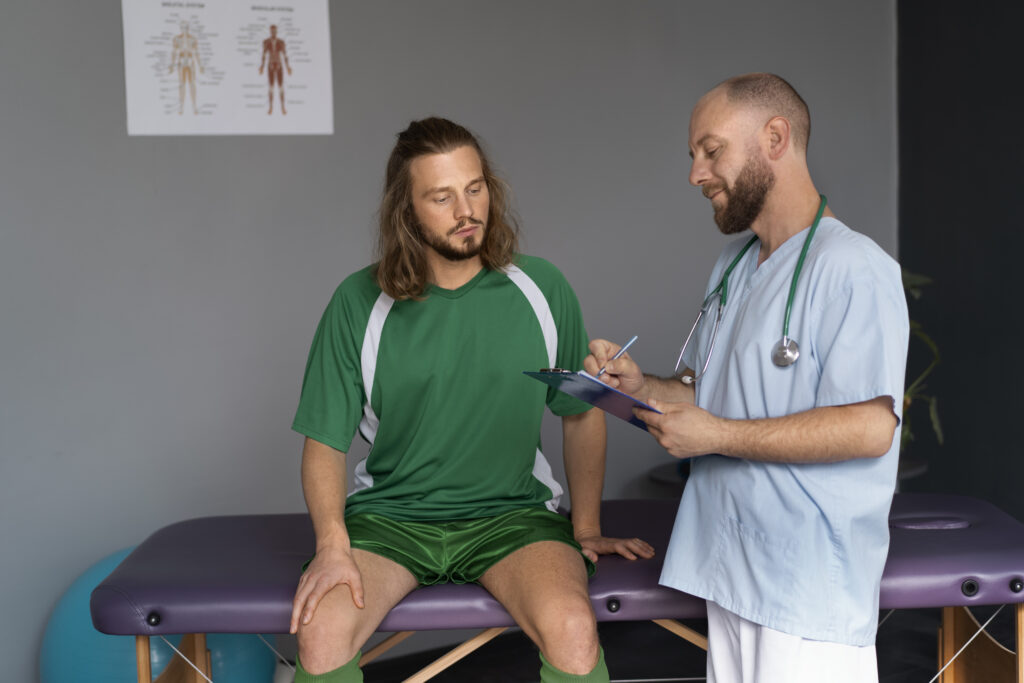
Learn why athletes should get ECGs to monitor heart health, prevent issues, and detect risks early. Stay safe, perform better, and know when to see a cardiologist.
New advice for treating atrial fibrillation

A major international report offers fresh recommendations for treating AFib – Dr Lyne helped review new Guidelines.
Left Bundle Branch Pacing – a New Pacemaker Procedure
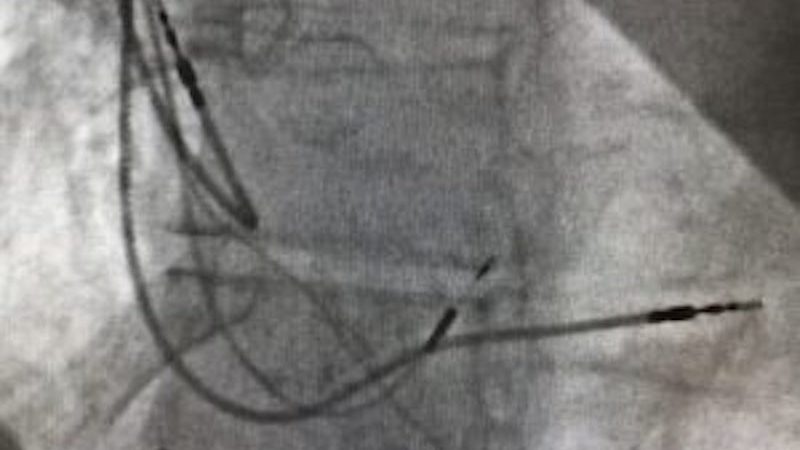
A pacemaker implantation procedure is a relatively common procedure to perform in all cardiology units.…
Pulse Day: The Simple Check That Could Prevent a Stroke
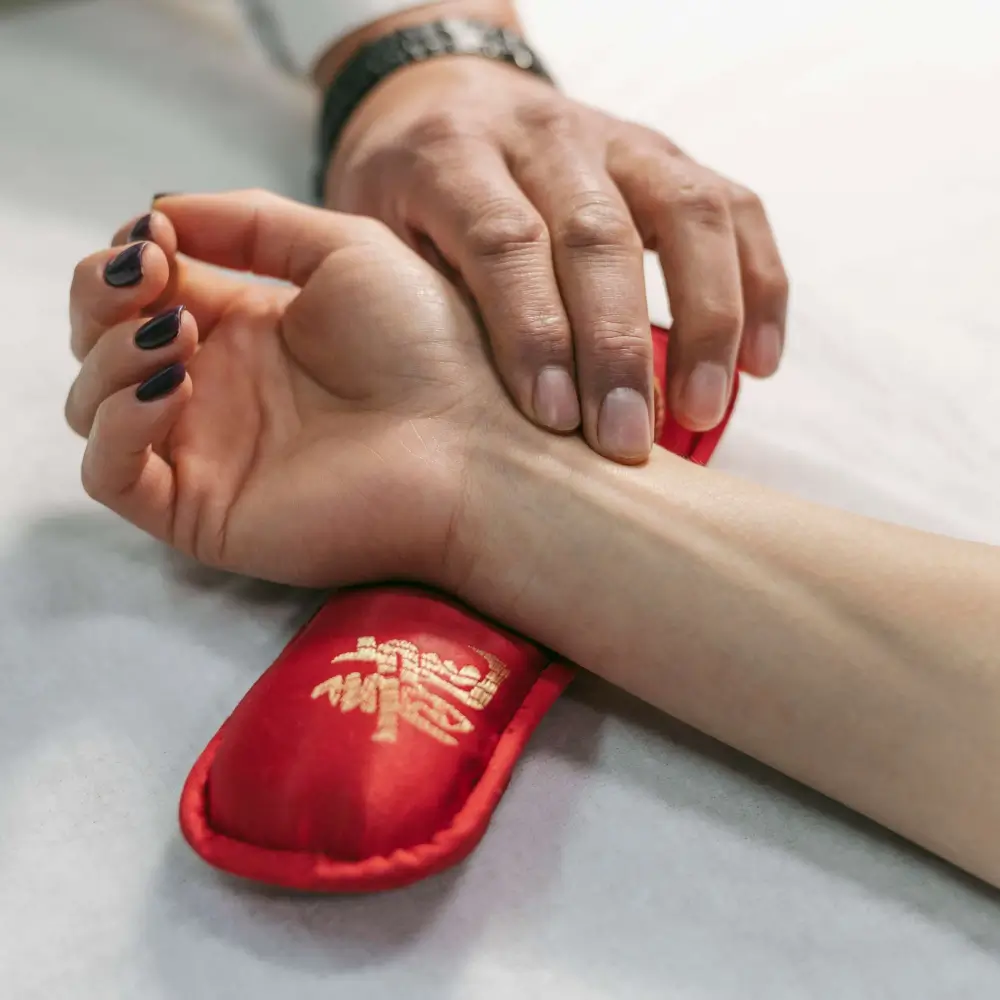
Unless you follow doctor tweets and cardiology blogs, you may not be aware that 1 March is Pulse Day.
Can Arrhythmias Cause Strokes?

Hearing the word “arrhythmia” can be a worrying experience for many patients. Most of us know what a stroke is. But a heart rhythm condition? That’s unfamiliar territory.