
Internal Defibrillators: What You Need to Know About CRT-ICD Devices
You’ve had the heart tests. You’ve been diagnosed with an arrhythmia (a heart rhythm problem.)
Can Arrhythmias Cause Strokes?

Hearing the word “arrhythmia” can be a worrying experience for many patients. Most of us know what a stroke is. But a heart rhythm condition? That’s unfamiliar territory.
Worried about your heart rhythm? How our Rapid Access Clinic works
You’re experiencing heart rhythm symptoms and need a fast, expert assessment.
Leadless Pacemakers: The tiny device that’s changing the way we treat heart rhythm problems
See how this in-heart pacemaker is changing lives for heart rhythm patients.
What to Expect During a Holter Monitor Test
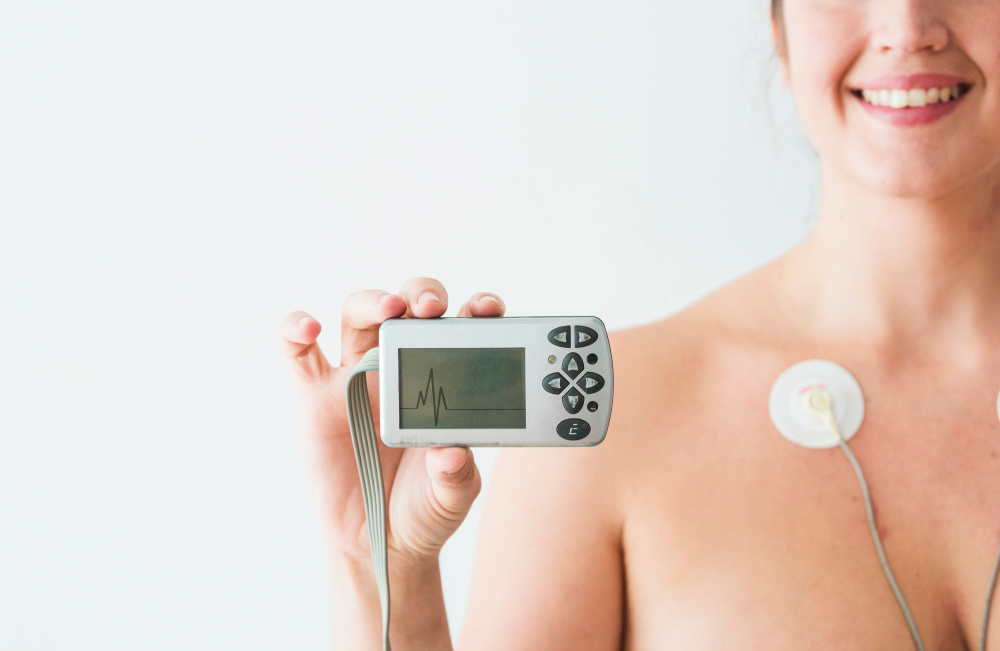
If your cardiologist has recommended a Holter monitor test, you might be wondering what’s involved and what to expect.
New advice for treating atrial fibrillation

A major international report offers fresh recommendations for treating AFib – Dr Lyne helped review new Guidelines.
Left Bundle Branch Pacing – a New Pacemaker Procedure
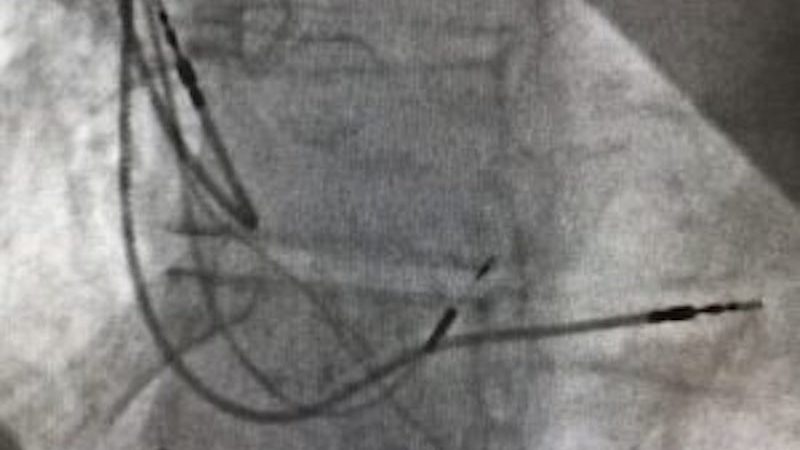
A pacemaker implantation procedure is a relatively common procedure to perform in all cardiology units.…
Pulse Day: The Simple Check That Could Prevent a Stroke
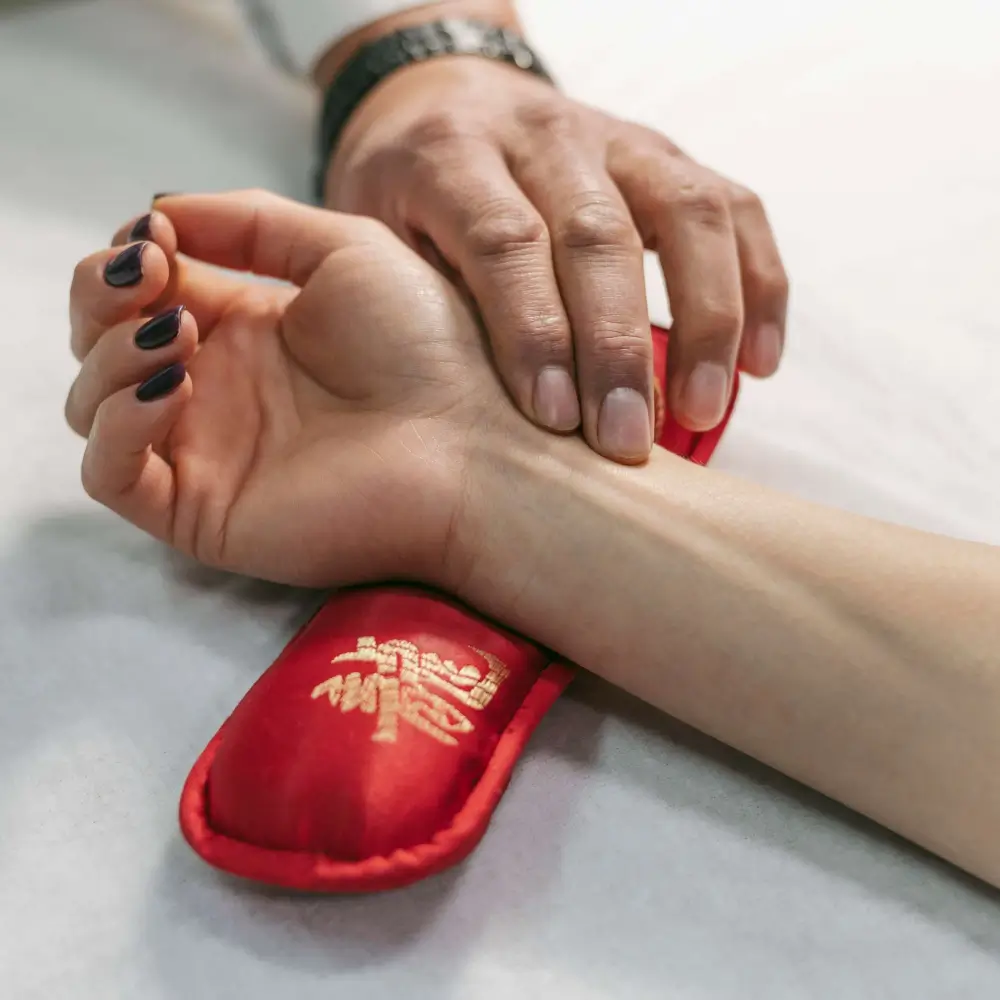
Unless you follow doctor tweets and cardiology blogs, you may not be aware that 1 March is Pulse Day.
The Impact of Stress on Heart Rhythm: How Stress Management Can Improve Your Condition

Discover how chronic stress can impact your heart rhythm. We explain symptoms, effects, and practical stress management tips to protect your heart health.
Holter Monitor vs. Implantable Loop Recorder: How Do They Differ in Diagnosing Heart Rhythm Problems?
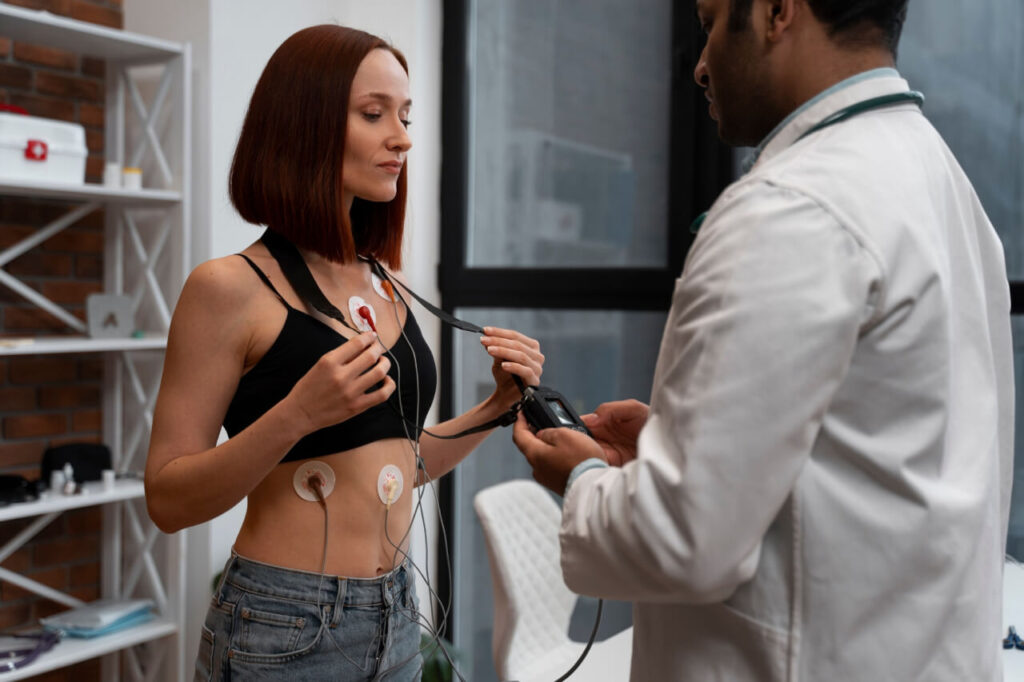
Holter monitors and implantable loop recorders are tiny recording devices that examine your heart’s electrical activity for signs of an irregular or abnormal heart rhythm, such as atrial fibrillation, bradycardia (a slow heart rate) or tachycardia (fast heart rate).